Why Hands-On Learning Beats the Lecture
Teenagers don't remember what they were told. They remember what they built. Here's why every A World Academy week ends with something made.
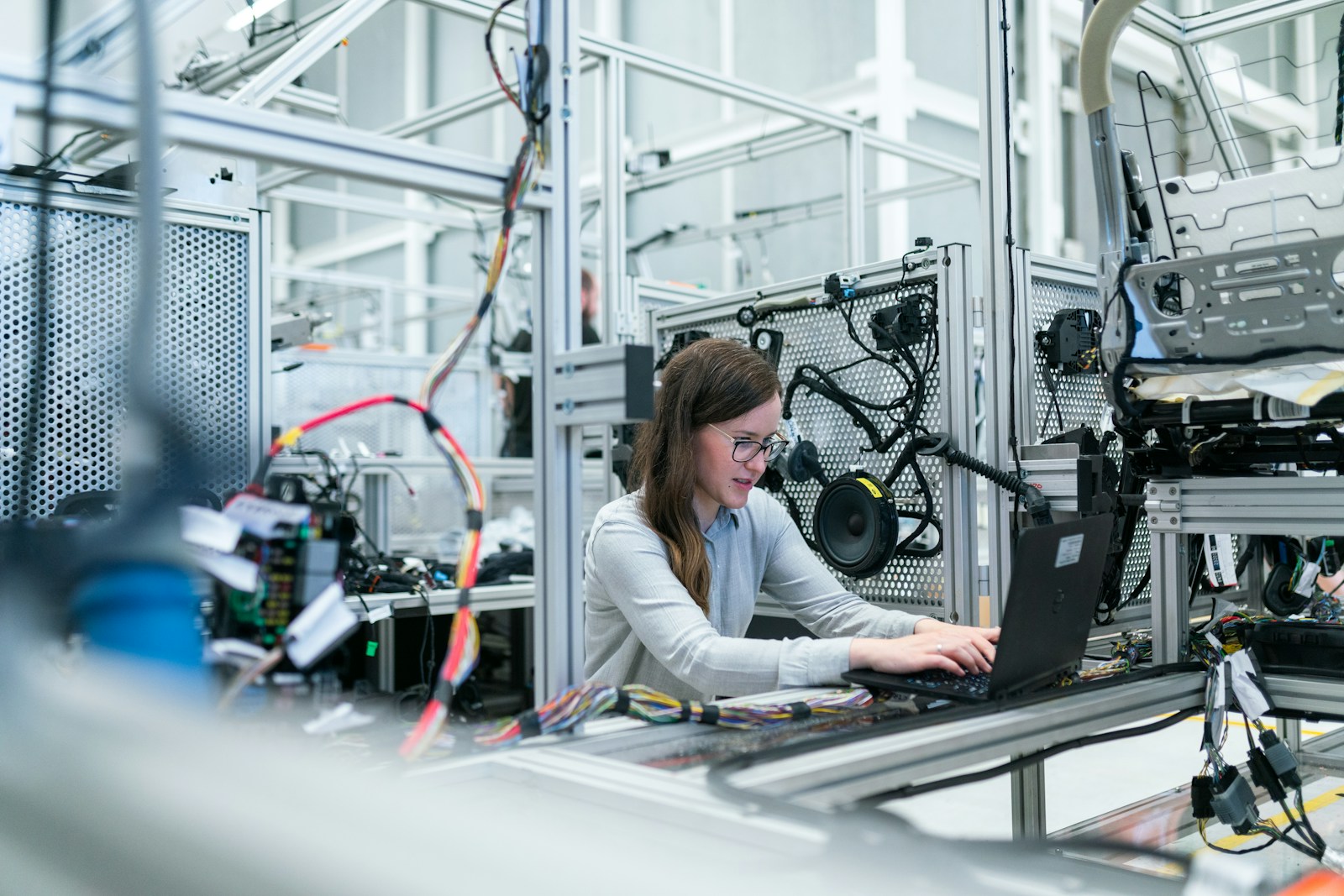
I have watched a hundred lectures land on teenagers, and I can usually tell within ten minutes which ones will be forgotten by Friday. It is not the dull ones. It is the ones where nobody had to *do* anything.
There is a stubborn piece of evidence every teacher eventually meets: we forget most of what we are simply told, and remember most of what we make. A student who sits and listens to a description of suturing forgets it by the weekend. A student who actually closes a model wound — fumbling the first stitch, getting the second one right — carries it for years. The hands remember what the ears let go.
What 'project-based' really means here
When we design a programme, we start at the end. We ask a simple question: what should the student be holding on Saturday afternoon? A working robot. A diagnostic case study. A business plan they have defended out loud to a panel of founders who did not go easy on them. A design piece hanging in an exhibition their cohort walks through.
Then we build the week backwards from that artefact. Every module, every lab, every late-evening masterclass exists to get the student to something real. The subject is the vehicle; the finished work is the destination.
Why it matters more than it used to
We live in a moment where information is free and effectively infinite. A teenager can ask a chatbot to explain photosynthesis or the bond market and get a competent answer in seconds. What they cannot download is the experience of trying, failing, adjusting and finishing — the quiet confidence that comes from having built a thing with other people who cared whether it worked.
That confidence shows up later in ways that surprise parents. It shows up in a university interview, when a tutor asks 'tell me about a time you solved a hard problem' and the student has an honest, specific story instead of a rehearsed cliché. It shows up in the first week of a real job. It shows up in how they talk about themselves.
The honest caveat
Hands-on learning is harder to run than a lecture. It needs small groups, real materials, mentors who can answer 'but what actually happens when…?', and the patience to let students get things wrong. That is precisely why it is worth doing — and precisely why most programmes quietly avoid it.
If your teenager comes home having built something they are proud of, the week has done its job. Everything else is detail.